
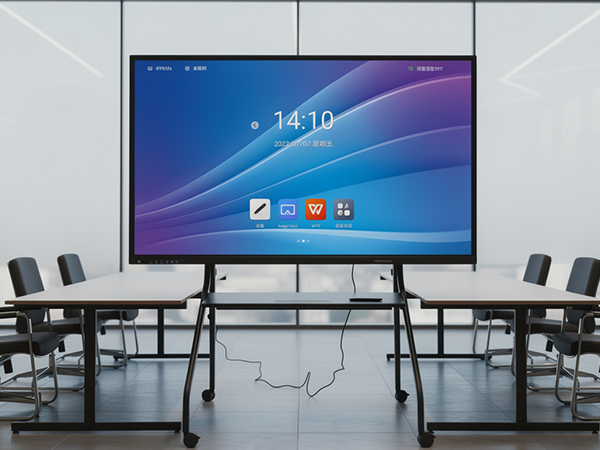
In the fast-paced world of industrial automation, precision, reliability, and efficiency are crucial. Infrared touchscreens have emerged as a key technology, offering robust solutions for factories, control panels, assembly lines, and more.
Unlike traditional input methods, infrared technology allows for highly accurate touch detection, multiple touch points, and seamless interaction, improving productivity and reducing errors. This article explores the top benefits of using infrared touchscreens in industrial environments.
1. Precise Touch Accuracy
Infrared touchscreens detect even the slightest touch, ensuring that commands are executed correctly every time. This is essential in industrial processes where a single error can disrupt production or compromise safety.
2. Multi-Touch Support
Industrial operations often require multiple operators or simultaneous inputs. Infrared technology supports multi-touch functionality, allowing collaborative operations and smoother workflow.
3. Durable and Reliable
Factories and industrial sites are demanding environments. Infrared touchscreens are built with high-quality materials and are resistant to dust, oil, and vibrations, ensuring long-term durability and consistent performance.
4. High-Definition Display
Clear visuals are crucial for monitoring production lines, reading diagrams, and analyzing data. HD LCD panels provide crisp, sharp visuals even in well-lit industrial settings, reducing mistakes caused by misreading displays.
5. Easy Integration
Infrared touchscreens can be easily integrated with existing industrial control systems, PLCs, SCADA systems, and custom software, providing a flexible and scalable solution.
6. Energy Efficiency
Industrial environments often operate multiple screens and devices. Infrared touchscreens feature low power consumption, reducing electricity costs without compromising performance.
7. Fast Response Time
With minimal latency, infrared touchscreens respond instantly, allowing operators to make rapid adjustments, improving overall operational efficiency.
8. Customizable Options
Screen sizes, touch points, and interface ports can be tailored to specific industrial needs, ensuring a perfect fit for any production line or control panel.
9. Low Maintenance
Infrared touchscreens are resistant to wear and tear, easy to clean, and require minimal maintenance compared to resistive or capacitive alternatives.
10. Enhanced Safety
In hazardous environments, hands-free gestures or gloved operation is possible with infrared touchscreens, improving safety standards while maintaining full operational control.
Applications in Industrial Automation
| Application | Benefit |
|---|---|
| Factory Control Panels | Accurate input for critical operations. |
| Assembly Line Monitoring | Multi-touch and clear visuals improve efficiency. |
| Warehouse Management | Durable screens withstand heavy usage. |
| SCADA Systems | Integrates easily with monitoring software. |
FAQ – Industrial Applications
Q1: Are infrared touchscreens suitable for harsh industrial environments?
A: Yes, they are dust-proof, oil-resistant, and vibration-resistant for reliable use.
Q2: Can operators use gloves with these screens?
A: Yes, infrared technology supports gloved and bare-hand operation.
Q3: How many simultaneous touch points do these screens support?
A: Most models support 10 or more multi-touch points for collaborative work.
Q4: Are these screens compatible with PLC and SCADA systems?
A: Yes, they integrate easily with existing industrial automation platforms.
Q5: How energy-efficient are these touchscreens?
A: They are designed for low power consumption, reducing operational costs.
Conclusion
Infrared touchscreens offer unmatched advantages in industrial automation, from precise touch input to multi-touch support, durability, and energy efficiency. Implementing these devices can boost productivity, improve safety, and reduce operational errors, making them a critical investment for modern industrial facilities.